
Who this guide helps
This page is for village shops, hospitality and event-related businesses, professional services, rural property and home-service providers, specialty makers, and organizations serving Manotick’s surrounding area. It is relevant whenever the website must explain seasonal hours, a physical visit, travel planning, appointment requirements, or a service territory that extends beyond one compact commercial district.
Local lens
The Rideau River, village main streets, rural roads, and nearby properties make context important in Manotick. A visitor may be planning a deliberate outing, coordinating a service call, or checking details before travelling. The website should make practical information visible: hours, location, parking or access where relevant, seasonal changes, service boundaries, and a dependable method to confirm before a visit. That information needs a sustainable publishing rhythm. A business can keep a small set of durable guides for visit planning, preparation, and service scope, then add dated notices only when conditions have genuinely changed. Each update should have an owner, an expiry check, and a connection to the page where a visitor can take the next appropriate action. This avoids a common problem in which a current announcement is buried beneath old material or a customer finds a schedule that no longer applies. Consider the whole path from a search result to arrival or inquiry. Images should show a useful place or offering, maps should be paired with written instructions, and contact routes should state when a response is likely. These choices make the village and rural context easier to navigate without representing the business as something it is not.
01 / Manotick
Distinguish a destination from a service call
A Manotick website should be explicit about whether customers come to the business, the business comes to them, or both. Destination businesses benefit from clear visit information and an introduction to what a guest can expect. Mobile services need coverage, scheduling, and property-access information. Combining these models without explanation can leave a visitor unsure which action is appropriate.
If an operation includes a storefront and off-site work, give each journey its own route. A person planning to visit should not be sent through a lengthy quote form, while someone requesting a rural service call should not have to interpret retail hours as availability. This simple separation reduces confusion and makes staff processes easier to manage.
02 / Manotick
Plan honestly for seasonal change
Rural south Ottawa operations can be affected by weather, daylight, events, road conditions, and seasonal demand. A website should make temporary changes easy to update rather than relying on old social posts or an unmonitored banner. Create a place for current hours, closures, booking windows, and service notices, with a clear owner responsible for reviewing it.
Seasonal content should still be useful after the moment has passed. Instead of publishing vague announcements, explain how a season affects preparation, timing, or a visitor’s next step. Archive or remove notices once they are no longer relevant. An out-of-date winter message in summer can undermine confidence in otherwise accurate Manotick information.
03 / Manotick
Use place and history with restraint
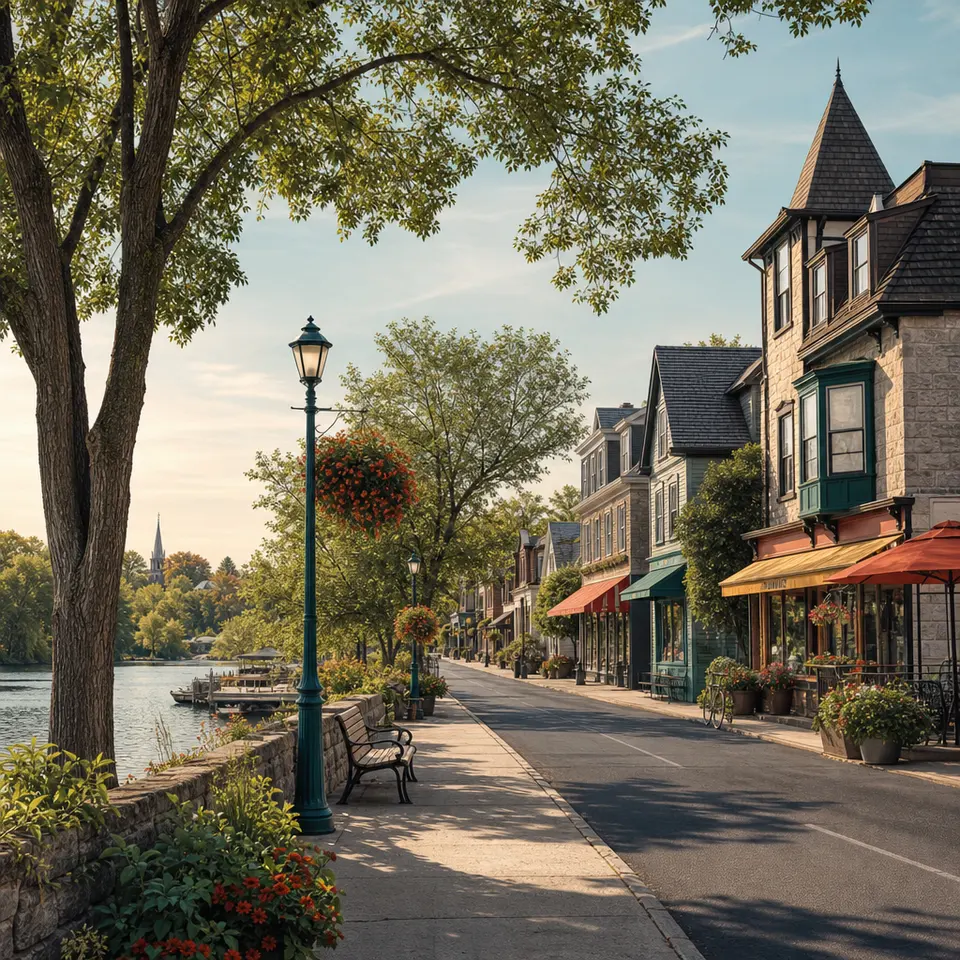
Manotick’s village character can inform tone and imagery, but it should not replace useful information. A short, accurate sense of place may help a visitor understand the setting, especially for a destination business. The rest of the page should still explain offerings, reservations or appointments, accessibility questions, and how to contact the business before travelling.
Avoid turning local references into decoration detached from operations. If the river setting, historic streetscape, or rural route affects arrival, timing, or the experience being offered, describe it plainly. If it does not, focus on the service itself. This gives the site a grounded local voice without making claims that a visitor cannot verify.
04 / Manotick
Explain rural service logistics clearly
For work performed at homes, farms, or properties outside the village, the inquiry process should capture only the logistics needed to determine next steps. An address or general area, service need, access constraints, and preferred timing may be sufficient. Explain when travel may affect scheduling or pricing rather than surprising a customer after contact.
Map tools are useful, but a map pin does not answer every rural access question. Provide a direct route for customers to confirm difficult locations, gates, site conditions, or appointment arrival instructions. This protects both parties from assumptions and lets a Manotick service business make arrangements using information appropriate to the job.
05 / Manotick
Make visit planning easy for guests
Hospitality, retail, and event-facing sites should answer practical visit questions before a guest needs to call. Include current opening information, reservation or group requirements, a concise location explanation, and relevant accessibility or parking details. If offerings vary by day or season, say where the current information is maintained and avoid publishing menus or schedules that cannot be kept current.
A beautiful gallery can invite interest, but it should not obscure planning details. Caption images when they show a space, product, or setup a guest will need to recognize. Use descriptive text for visual information and make the primary booking or contact action work reliably on a phone. Consider the entire visit, not simply the first impression.
06 / Manotick
Give considered services enough explanation
Professional and specialist services in Manotick may depend on fit, confidential discussion, or an initial assessment. Their websites should explain the purpose of a first contact, what information is appropriate to share online, and how a visitor can prepare. This is more respectful than a form that asks for extensive details without explaining why.
A strong service page also distinguishes general education from individual advice. Define the service, outline the process, and provide a way to ask about suitability while avoiding promises about outcomes. This approach gives people enough context to decide whether to reach out and leaves the individualized work for the proper conversation.
07 / Manotick
Design for reliable communication
Contact information should remain useful during ordinary disruption. Provide more than one appropriate route when possible, identify hours for responses, and keep a current notice process for closures or changes. A site does not need to promise immediate replies; it should set a realistic expectation and give visitors a way to understand whether their message was received.
Technical resilience matters as well. Keep control of the domain and key accounts with the business, maintain backups and update responsibilities, and know who can change urgent public information. These administrative choices are easy to overlook during design, yet they determine whether a Manotick business can communicate clearly when circumstances change.
08 / Manotick
Treat the site as part of local stewardship
A website is part of how a local business sets expectations with customers, neighbours, and visitors. Accurate access details, considerate imagery, and clear boundaries can reduce avoidable friction. The goal is not to make the site speak for the whole community; it is to make the individual business easier to understand and engage responsibly.
Review the site after real use. Ask staff which questions recur, ask visitors where they hesitated, and compare that feedback with the intended journey. Then make focused improvements. This stewardship approach keeps a Manotick website practical and credible while allowing its content to change with the business rather than with short-lived design fashion.
Comparison
Which website approach fits the work?
| Approach | What to plan | Best fit |
|---|---|---|
| Destination page | Lead with visit planning, current hours, and the appropriate reservation route. | Retail, hospitality, and events. |
| Field-service page | Explain coverage, scheduling, and the information needed to assess travel. | Rural property services. |
| Seasonal notice | Use dated, owned updates that can be removed when conditions change. | Variable operations. |
| Consultation page | Describe fit and preparation without collecting unnecessary sensitive details. | Professional services. |
Frequently asked questions
Questions from teams planning a Manotick website.
What should a Manotick destination business put near the top of its site?
Put the core offering, current visit or reservation information, and a direct way to confirm details near the top. Visitors planning a trip should not need to search through a gallery or old announcements to learn whether a visit is appropriate.
How should rural travel be described online?
Describe it in practical terms: the service boundary, any need to confirm an address, scheduling considerations, and factors that may affect a visit. Avoid a broad promise that cannot be delivered consistently across varied roads, properties, or conditions.
Can local history be part of website copy?
Yes, when it is accurate and helps a visitor understand the business setting or experience. Keep it proportionate and connect it to useful information. The primary task remains explaining the business, its service, and the visitor’s next step.
How can seasonal hours be kept accurate?
Assign responsibility for updates, show a current source of truth, and remove notices that have expired. Review linked listings and booking tools at the same time so a visitor does not encounter one set of hours on the site and another elsewhere.
What should ownership include after launch?
The business should retain access to its domain, hosting, public listings, analytics where used, form delivery, and content files. It should also know who handles updates, security, and urgent notices, with contact details documented outside the website itself.
Continue planning
Connect the local question to the rest of the build.
Web design guide
Make the choices behind a useful website visible.
Open guideWeb development
Understand the technical decisions that shape a reliable launch.
Open guideWebsite pricing
Compare scope, timing, and the work behind a responsible budget.
Open guideProject planner
Turn early requirements into a clearer starting point.
Open guideRelated Ottawa SEO resource
Need a deeper search strategy conversation?
OttawaWebAgency.ca is an independent planning resource. For a separate agency perspective on technical SEO, local search, and web strategy, visit Ottawa SEO Inc.
Visit OttawaSEO.comMore local context